
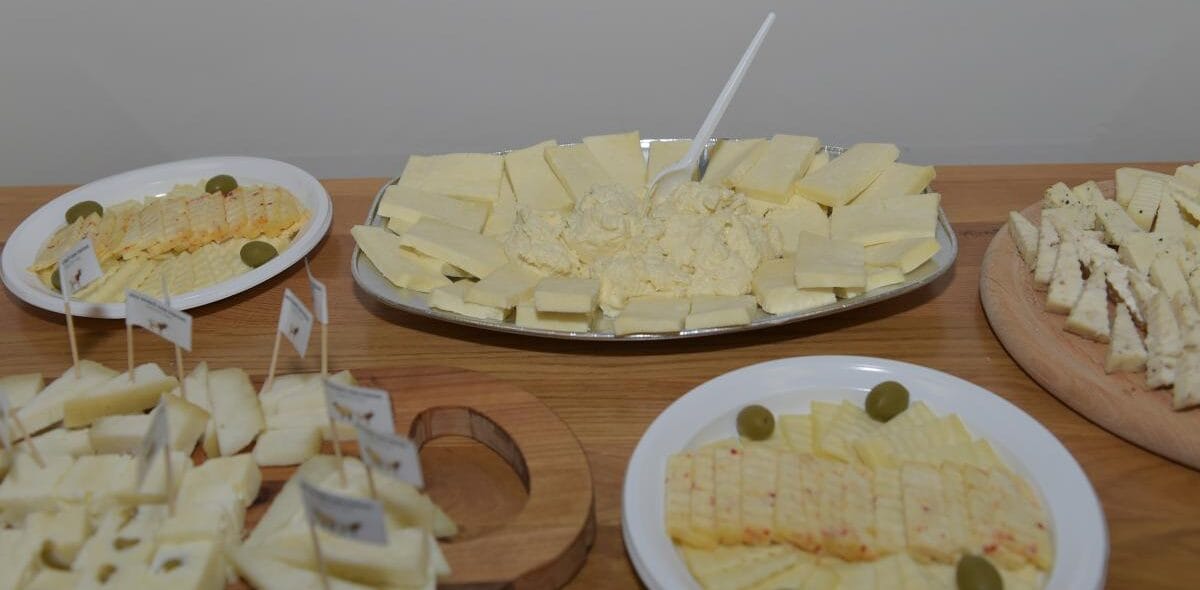
Empowering Women Cheesemakers in Bosnia & Herzegovina: Protection of indigenous dairy products
This blog post was contributed by PLUS Change Ambassador Miljan Erbez and is part of our series featuring personal accounts from our Ambassadors. These blogs offer first-hand reflections on the challenges and opportunities shaping land use planning across Europe and beyond.
Ambassadors contribute to PLUS Change discussions on equitable land use, representing the interests of groups that may be excluded from or underrepresented in land use planning and decision-making in Europe. These individuals bring valuable perspectives rooted in their experiences and lived realities, helping to shed light on how land use change impacts different communities.
Dairy plays a central role in Bosnia and Herzegovina’s rural economy, food culture, and diets. With an estimated 20,000 smallholder dairy farms nationwide, the sector forms the backbone of many rural communities. Smallholders typically keep about five cows, medium farms have 15–20, and a growing but limited number of specialized family farms manage 40–60, marking an emerging dairy segment. For many, this is the only source of income, although the economics of a farm with 5-15 cows are almost non-existent and they barely manage to provide for basic living needs. Often no one in these families has a permanent job. The men are hired seasonally or work on other farms, or in construction, so the greatest burden falls on the women. This includes taking care of the farm, but also of other family members, especially children and elders.
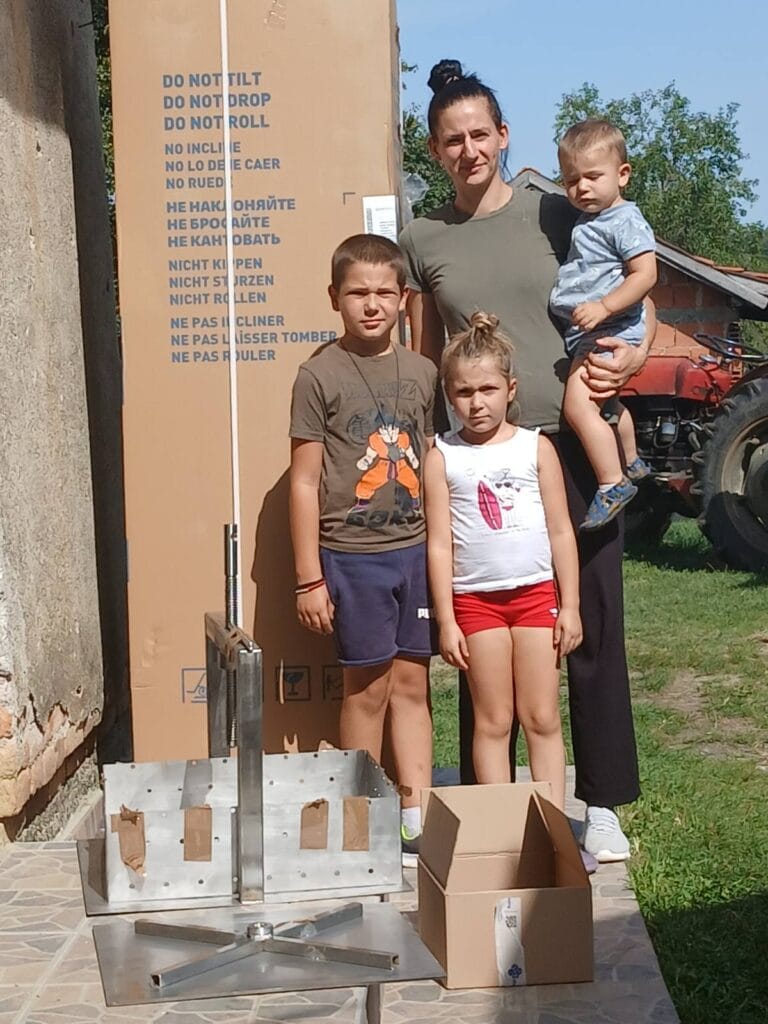
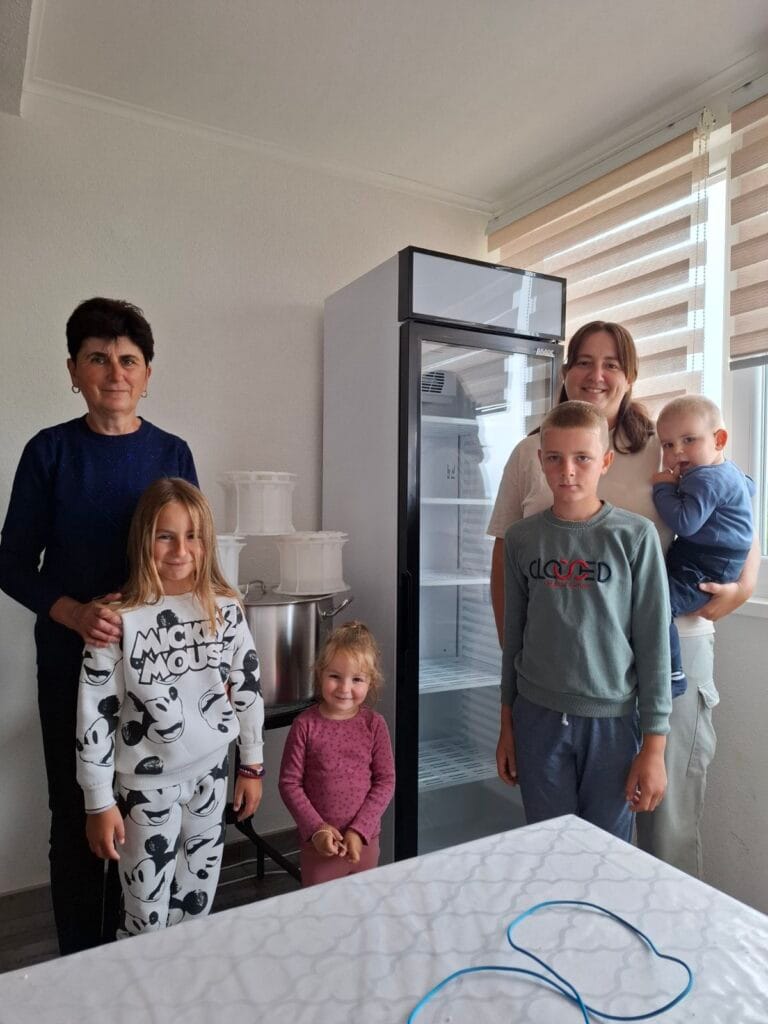
These are the main reasons for the Dairy Farmers Association of the Republic of Srpska (DFA) to launch an initiative and help these women. The idea came from the president of the women’s activities in the DFA, Ms. Milena Erceg, who herself has a farm with 40 cows and is engaged in cheese production. Mrs. Erceg recognized that increasing the level of milk processing, improving hygiene, and adding a focus on indigenous products, could help to improve the income of these families, especially for women, being the ones who transmit the knowledge and skills of producing many traditional products.
That is why the project included the producers of the following indigenous cheeses of Bosnia and Herzegovina: Janjski kajmak, Janjska pletenica, Vlašićki/Travnički cheese, Cheese from a bag, Kalendarovački cheese, Romanijski skorup, Mladi cheese, Petrovačka basa (cream cheese), Petrovački cheese, as well as some new ones that are looking for their place on the market, such as Podraški cheese, Gradiški cheese and others. It should certainly be noted that in addition to these cheeses, a large number of farms also produce acid milk, which is a product known throughout the wider region of Southeast Europe.
The next step was to find donors. The Turkish agency for cooperation and coordination (TIKA) found the project idea quite interesting and after we prepared detailed project plans and selected the beneficiaries, they supported us financially.
The project ultimately included 25 women from 18 municipalities across Bosnia and Herzegovina. Although we are an association that brings together milk producers only in one federal unit, namely the Republic of Srpska, we decided to reach as many women as possible through this project.
The project involves several steps, two of which have already been implemented. This included organizing lectures and training sessions for all participants.
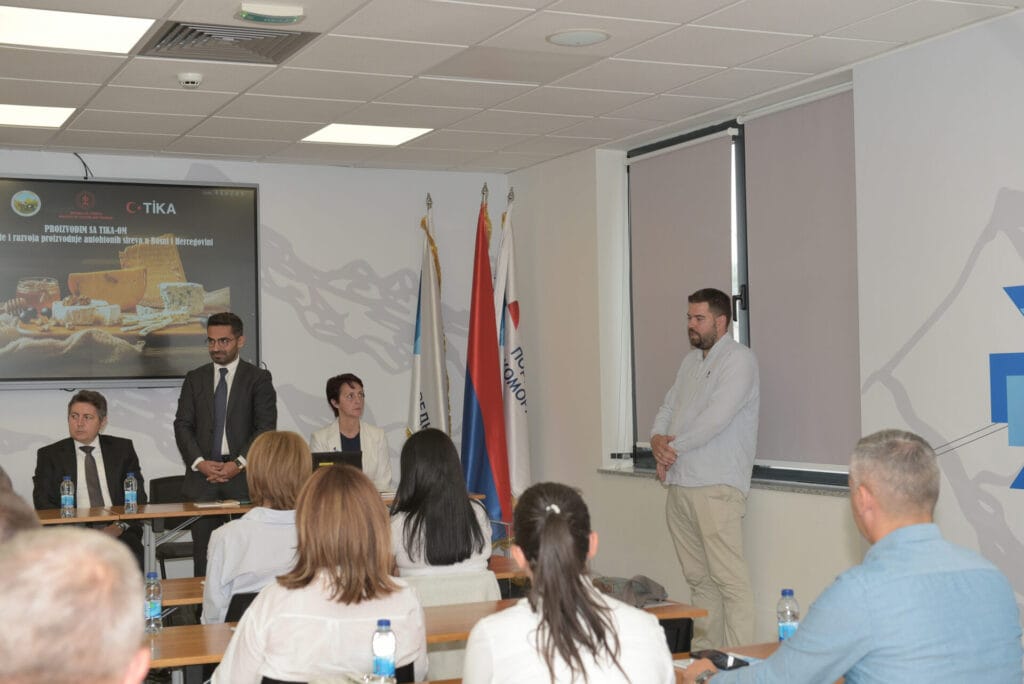
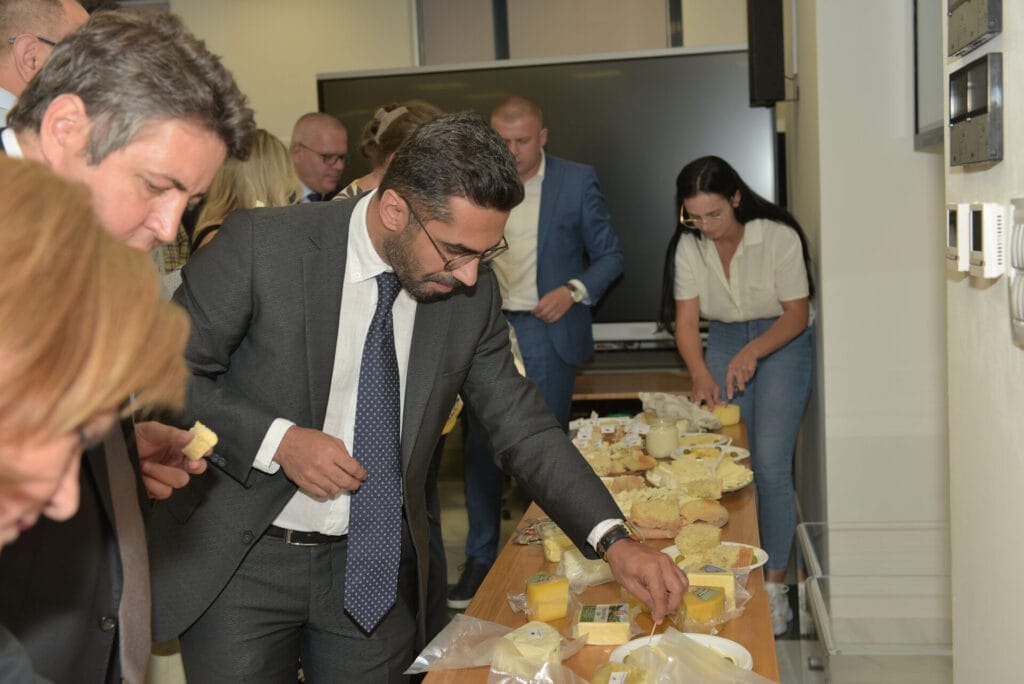
On August 6, 2025, in Banja Luka, lectures were organized for all participating women. In addition to the lectures, we also hosted a mini fair of homemade cheeses. The event brought together representatives from TIKA and the Consulate of the Republic of Türkiye in Banja Luka, along with officials from various institutions, including the Ministry of Agriculture of the Republic of Srpska, the Agricultural Extension Service, the Chamber of Commerce, the media, the academic community, and the president of the DFA. The event provided an opportunity for hardworking cheesemakers to exchange experiences, gain knowledge about milk and dairy hygiene, marketing, and packaging, and, thanks to media coverage, to present these products to a wider public. At this event, representatives of the DFA also shared their experiences from various projects, including the PLUS Change project.
After that, in the period from August 15 to 31, the delivery of equipment to the project beneficiaries was carried out. This truly delighted the cheesemakers. The equipment included everything from cheese presses, cooling devices, pasteurizers, cheese knives, molds, enameled dishes, and milking machines, among others.
The next steps are the preparation of a publication about these 11 cheeses and the organization of a promotion of the cheeses made by these 25 women at the 11th Conference and Fair of Dairy Farmers of Republic of Srpska, to be held on March 3–4, 2026, in Gradiška, RS, Bosnia and Herzegovina.
Banner photo from https://www-mljekarirs-com.translate.goog/stranica/podrska-zenama-na-selu-proizvodnja-sira-_255?_x_tr_sl=auto&_x_tr_tl=en&_x_tr_hl=en.