Workshop 3: Île-de-France Region
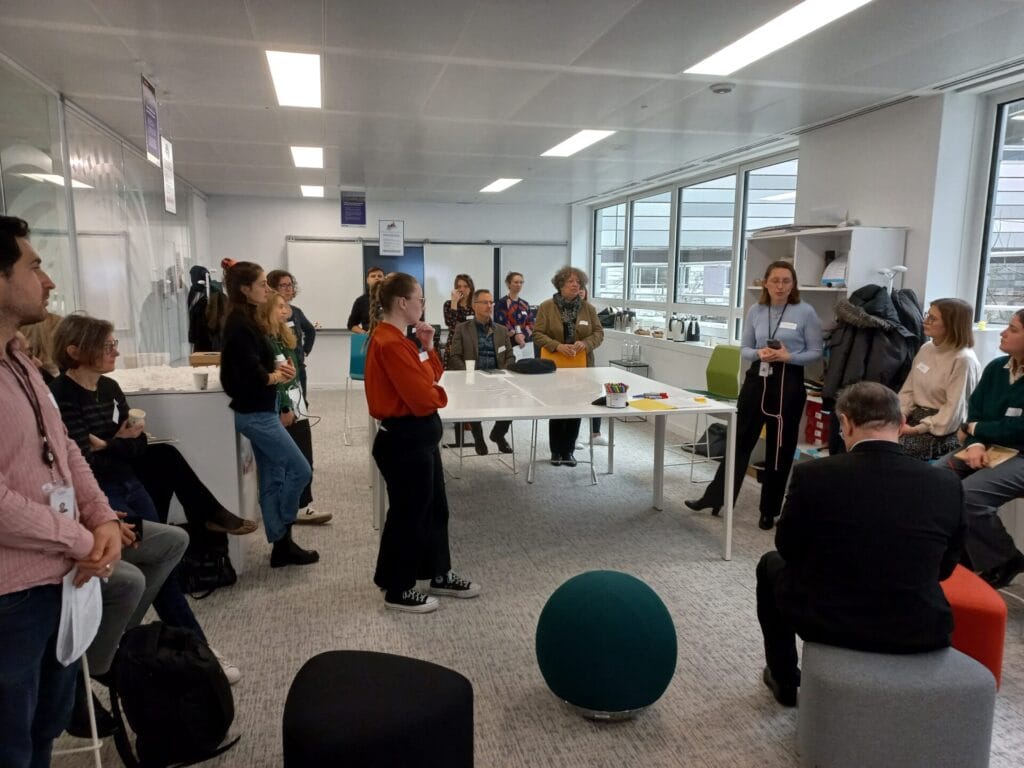
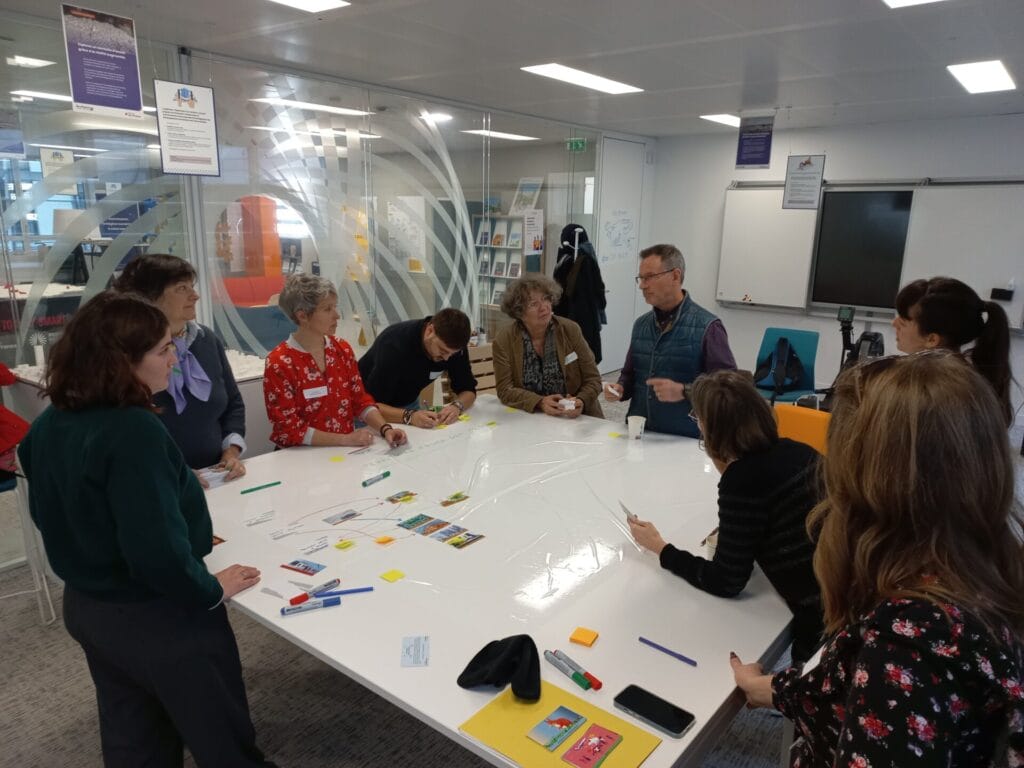
As part of PLUS Change, the Île-de-France Region has spent the past two years reimagining land use planning with a stronger focus on climate, biodiversity, and quality of life. Following two earlier workshops – the first workshop initiating discussions on core land use challenges with key stakeholders and the second workshop focusing on constructing narratives of land use change – the third workshop was held in February 2025. Organised by the region’s Sustainable Land Use Planning Department in collaboration with the Digital Transformation Centre and hosted in the FabLab, the event brought together around thirty participants from diverse backgrounds including associations, public authorities, experts, and local and national bodies (CESER, CCI, FNE, IPR, among others).
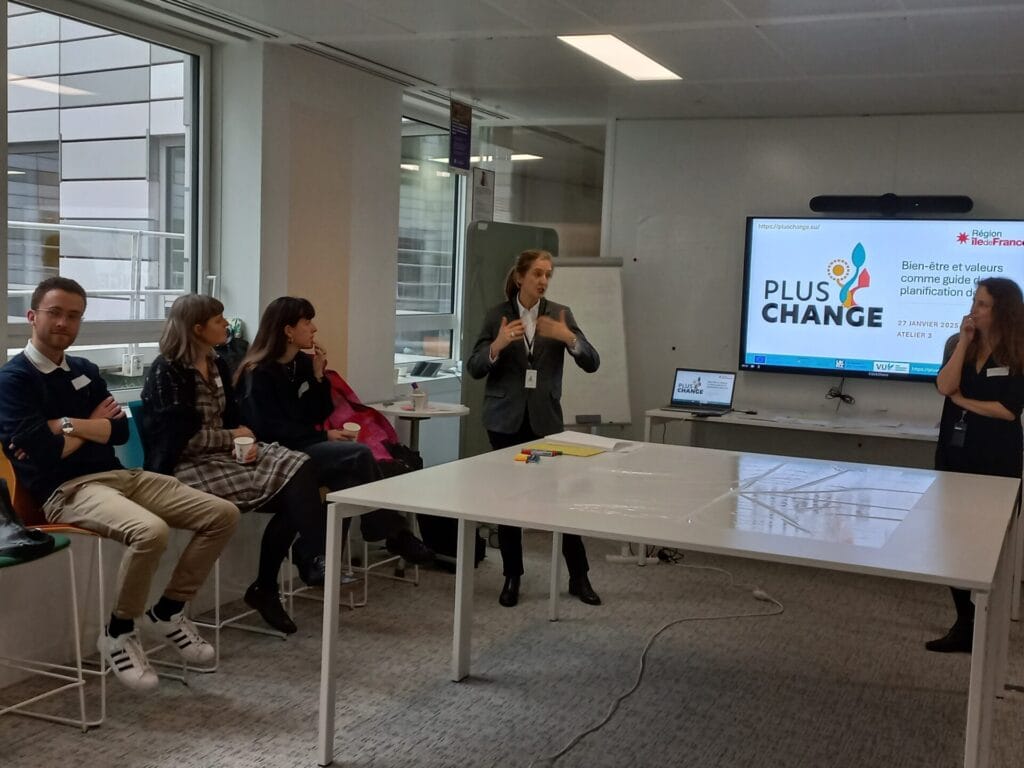
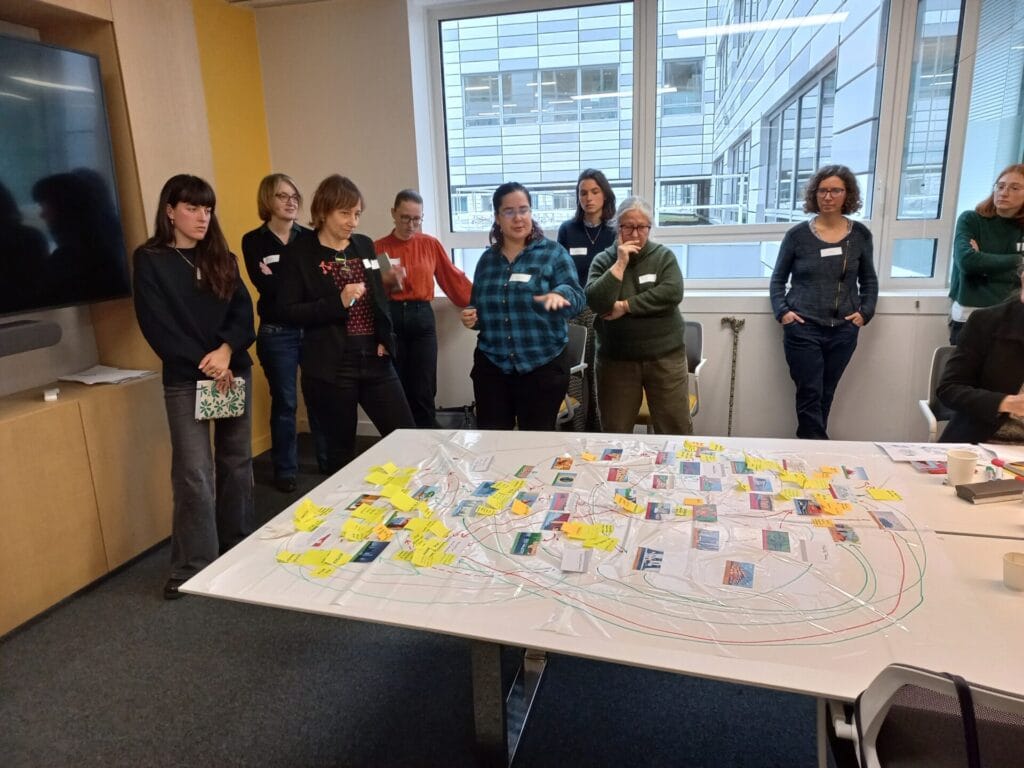
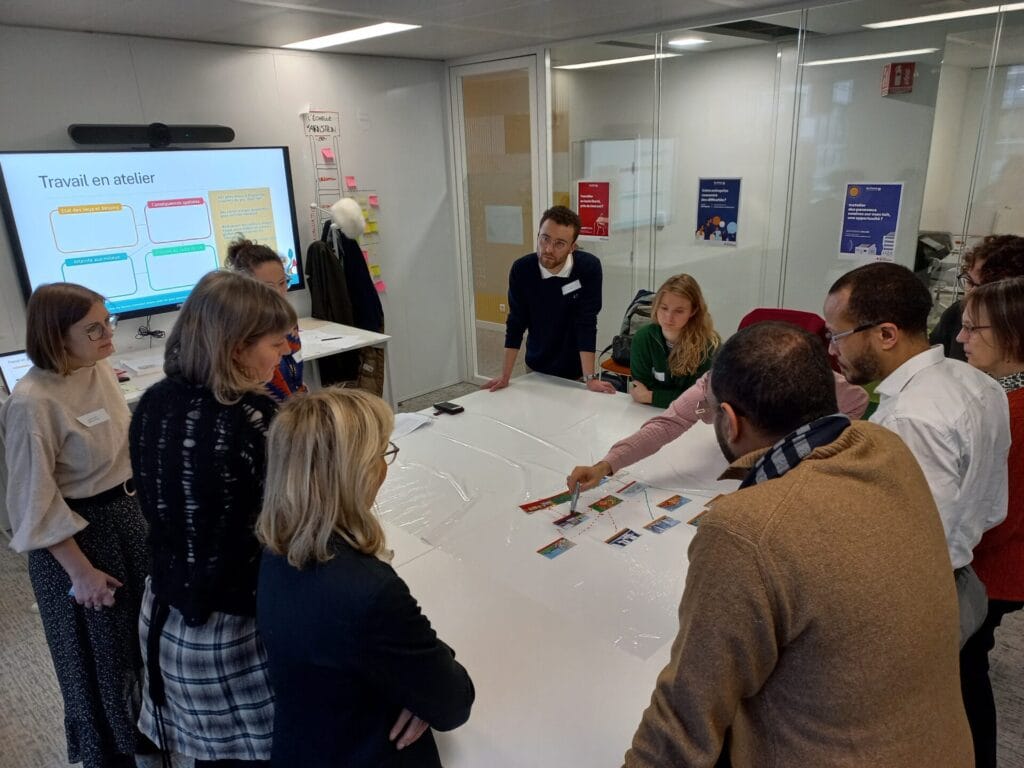
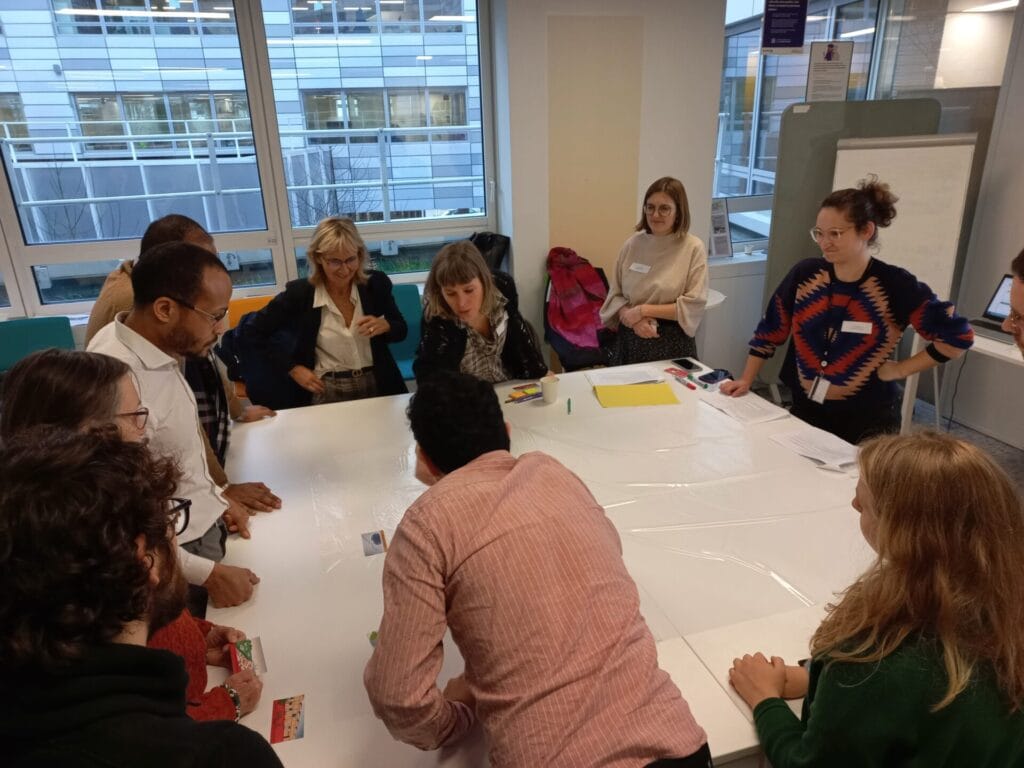
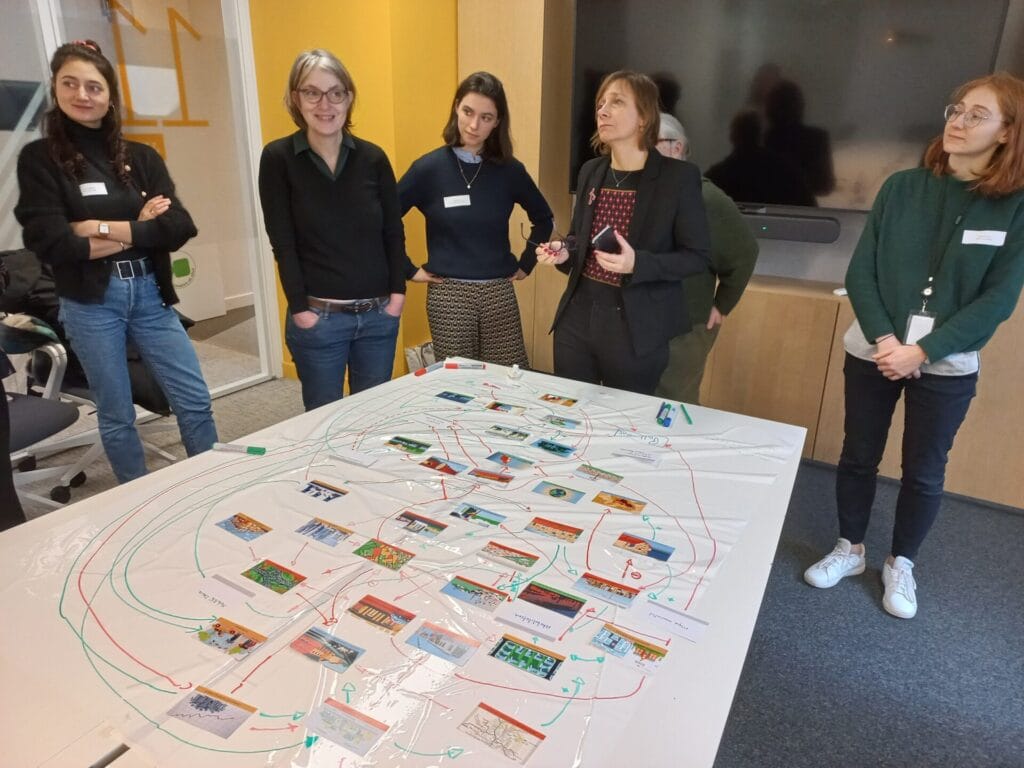
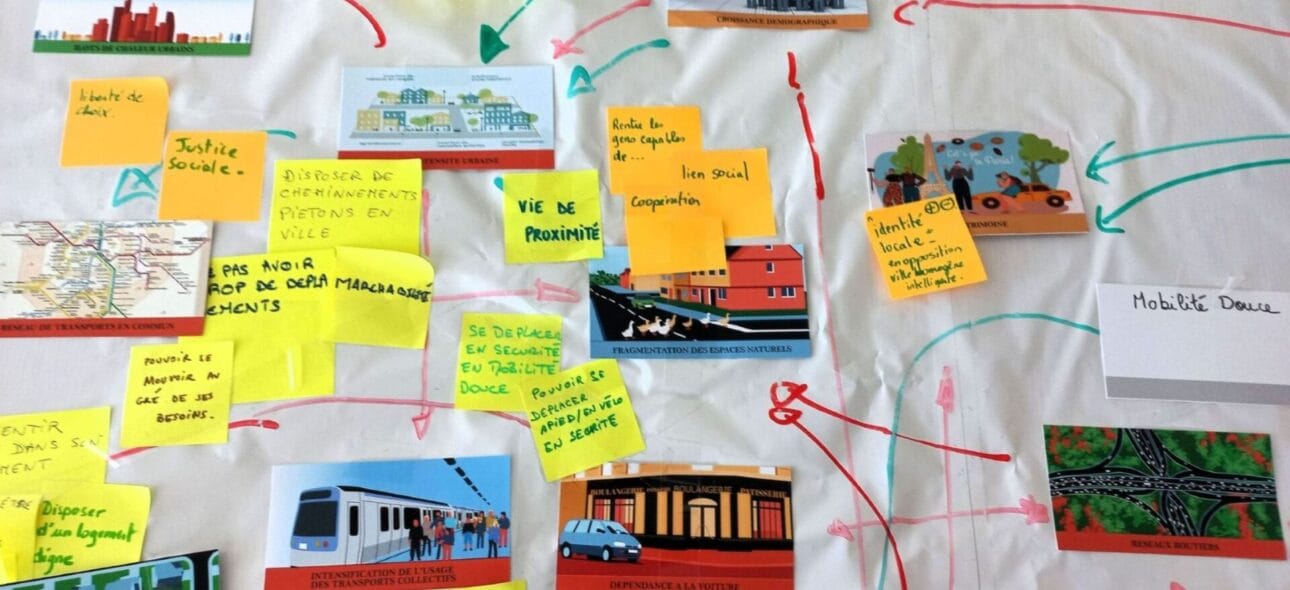
The third workshop centred on a key theme: co-constructing a “fresco of the city” that integrates well-being into visions of urban development. Working in groups, participants linked together more than 30 interconnected urban phenomena (referred to as “bricks” and inspired by the Dixit method), mapping and exploring complex relationships within urban systems. These bricks represented elements such as infrastructure, environmental impacts, social and economic dynamics, land reversibility, and effects on living organisms. Through this exercise, participants identified feedback loops and gained a deeper understanding of the complexity shaping urban environments.
Key insights from the workshop highlighted the central role of nature and the need for greater balance in planning. Nature was recognised not only as essential for physical and mental well-being but also as a powerful connector between biodiversity and human health. Discussions emphasised the importance of balancing density and proximity, individual and collective needs, and private and shared spaces, especially when planning interventions in central versus suburban areas.
Participants also highlighted the need to prioritise and preserve natural heritage – such as agricultural land, forests, and natural areas – before considering the implications of population growth and new development. Notably, 76% of the region’s surface is composed of these natural assets, reinforcing their strategic importance.
Further discussions explored the ecological consequences of agricultural practices, the significance of food quality, and the challenge of balancing competing land uses. Participants also called for the promotion of soft mobility, improved accessibility, and rethinking the reuse of urban wastelands to combat heat islands
Overall, the workshop reaffirmed that well-being must serve as a guiding principle in spatial planning, integrating social, environmental, and territorial priorities to build a more resilient and inclusive region.