PLUS Change General Assembly in Riga
The PLUS Change project held its second General Assembly in Riga, Latvia from May 13th to 15th, 2025. Hosted by the Baltic Studies Centre (BSC), the event gathered project partners from across Europe to assess progress, strengthen collaboration and connections between work packages, and define next steps—aiming to begin shaping results and driving meaningful impact.

Day 1 – Visiting the Peatland
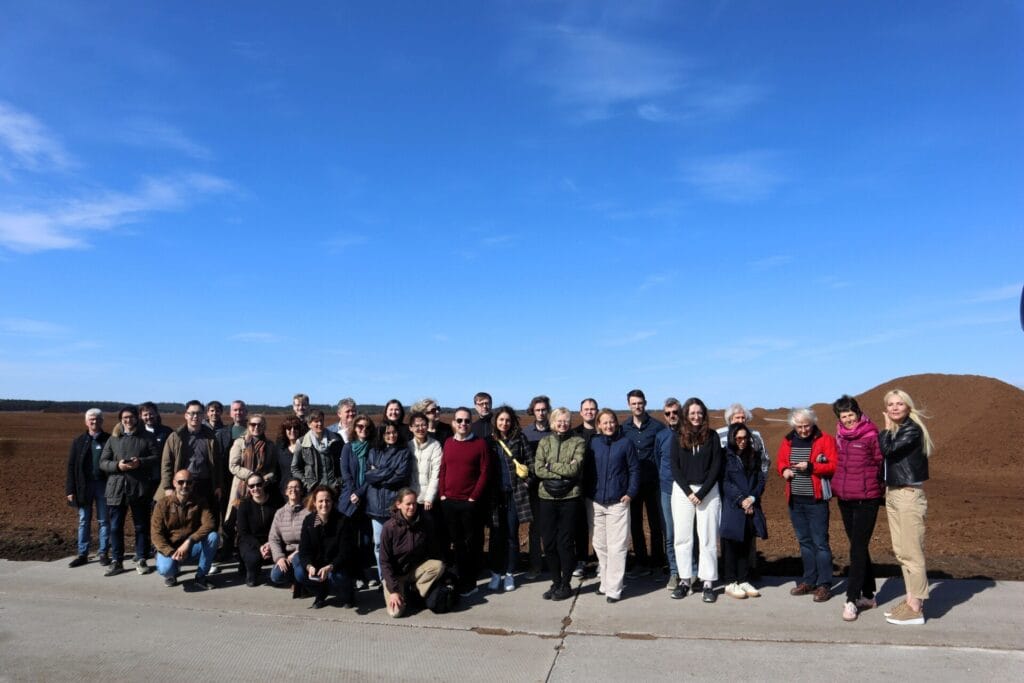
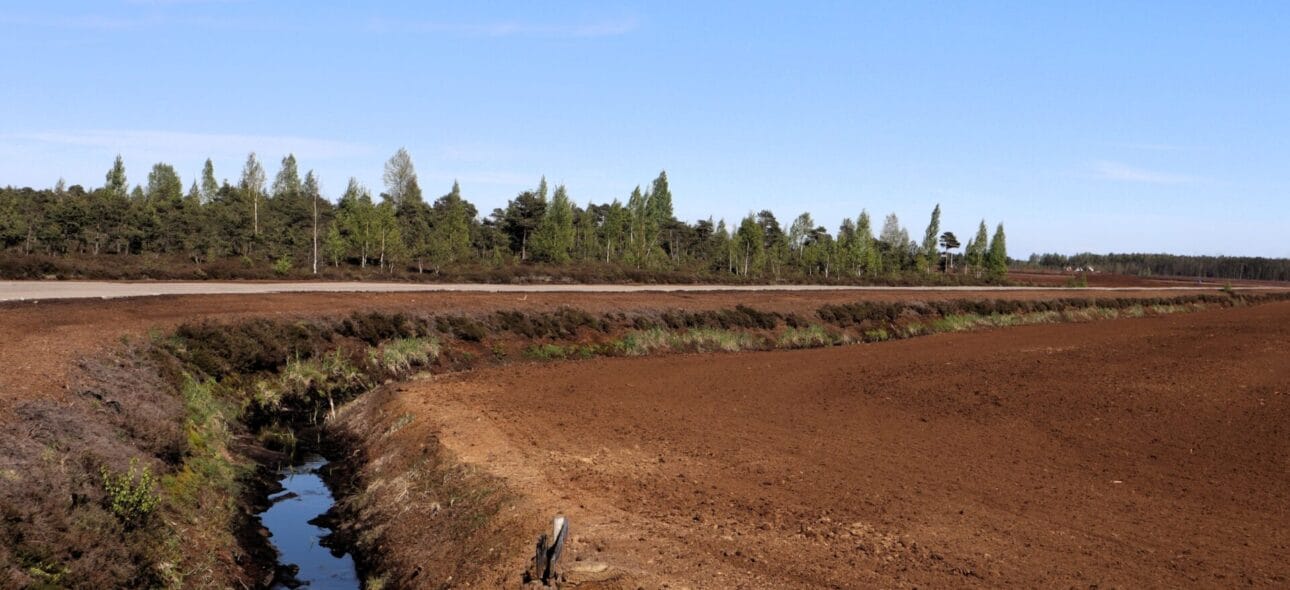
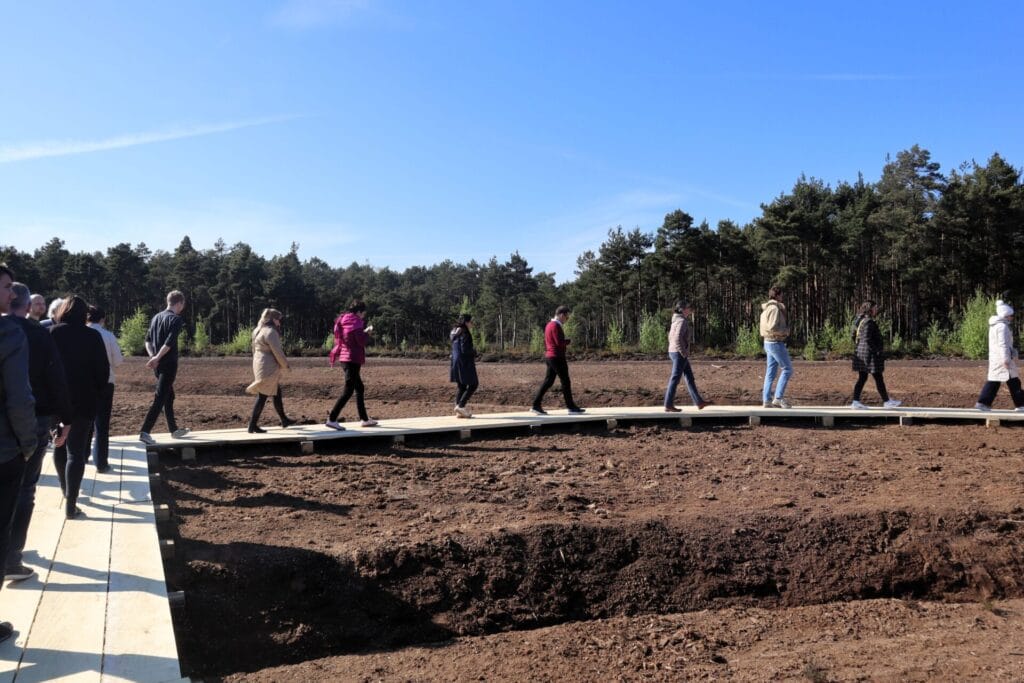
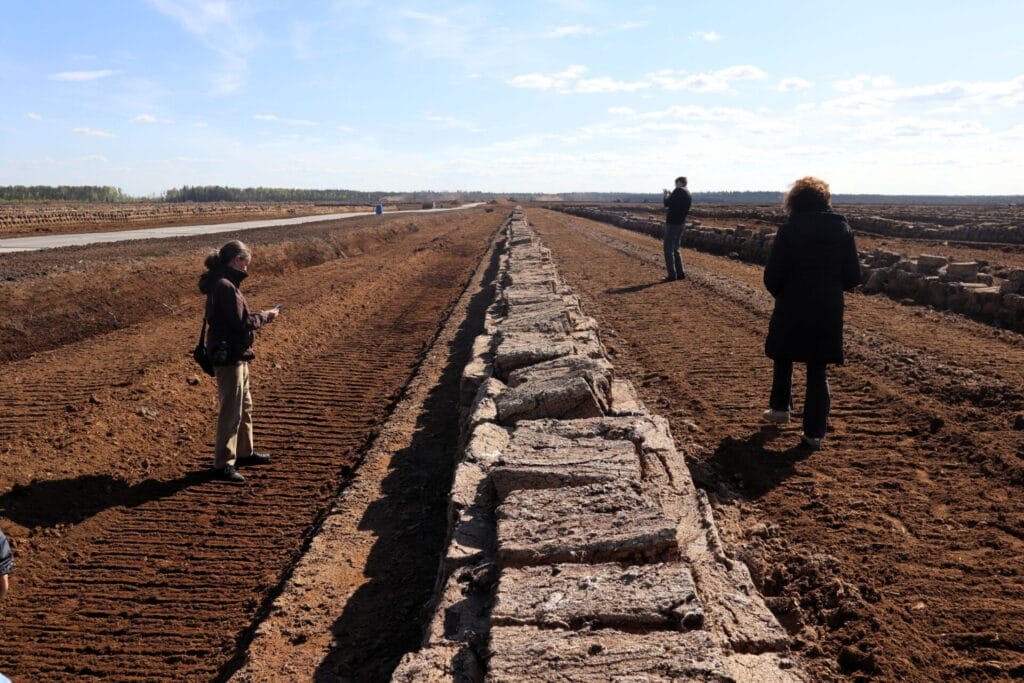
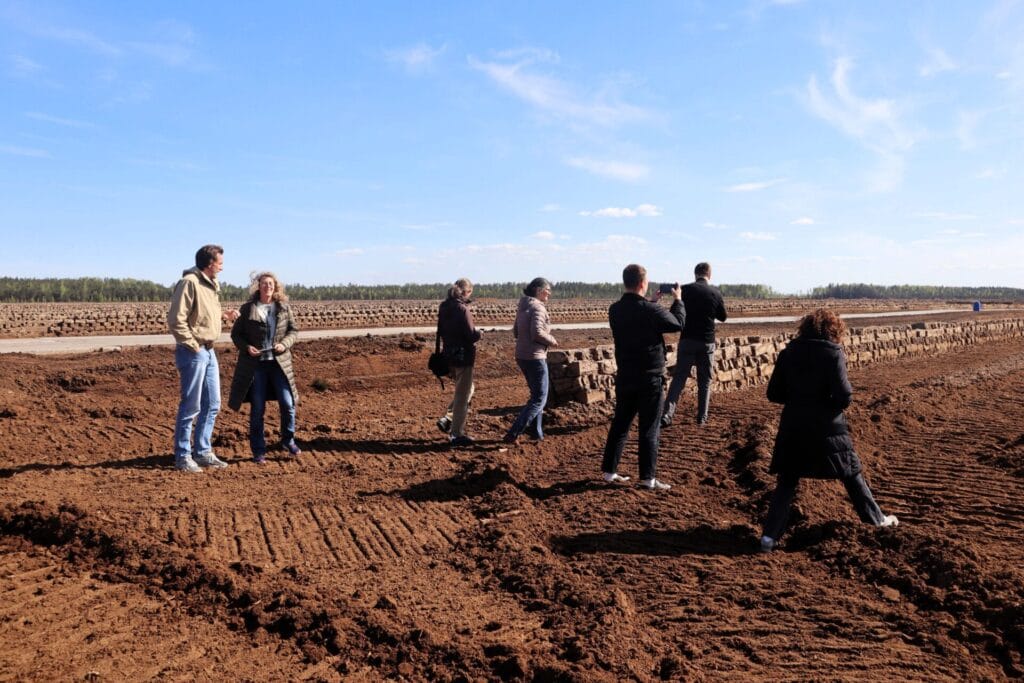
We began our three-day assembly with bilateral meetings in the morning, followed by a field visit to Kaigu Peatland, one of our 12 PLUS Change’s practice cases. During our visit – kindly organised and led by Laflora – we learned about the challenges and opportunities of managing this unique landscape, including restoration efforts and the role of wetlands in climate adaptation.
Before visiting the peat extraction site, all consortium members were welcomed at the Peat House, where they received an introduction to peat extraction and Laflora’s vision for future development. The group then proceeded to tour an active peat extraction site, which prompted several discussions among participants on sustainability, with important contributions and insights from Laflora.
Day 2 – Project updates
The next day began with a warm welcome by project coordinator, Julia Leventon, of CzechGlobe. Julia opened the session by outlining the aims of the meeting and summarising key highlights from each work package over the first two years of the project.
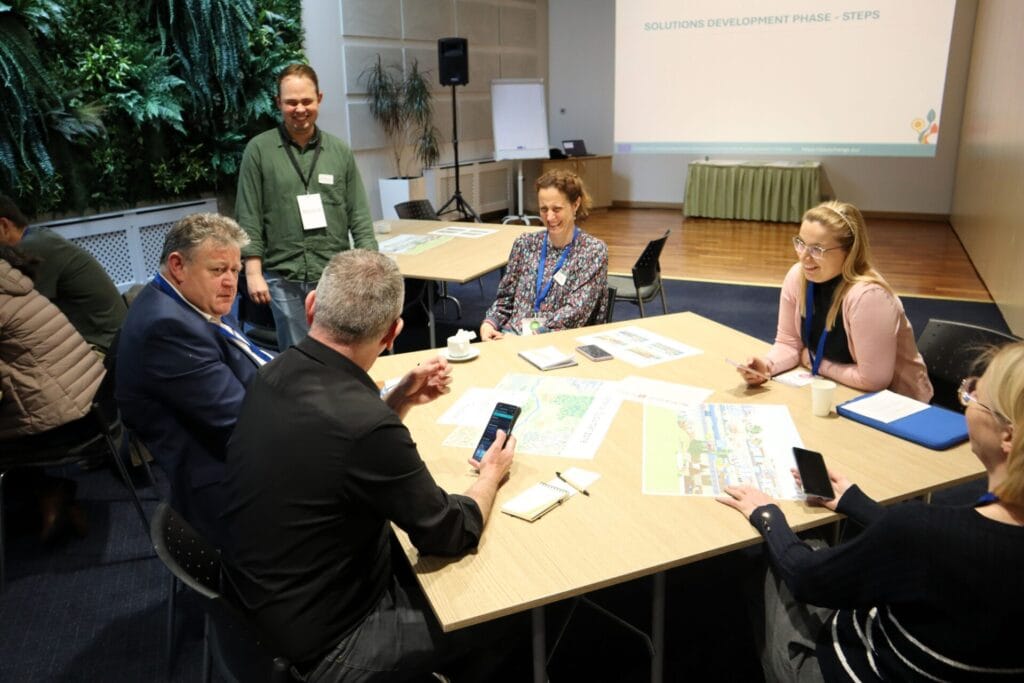
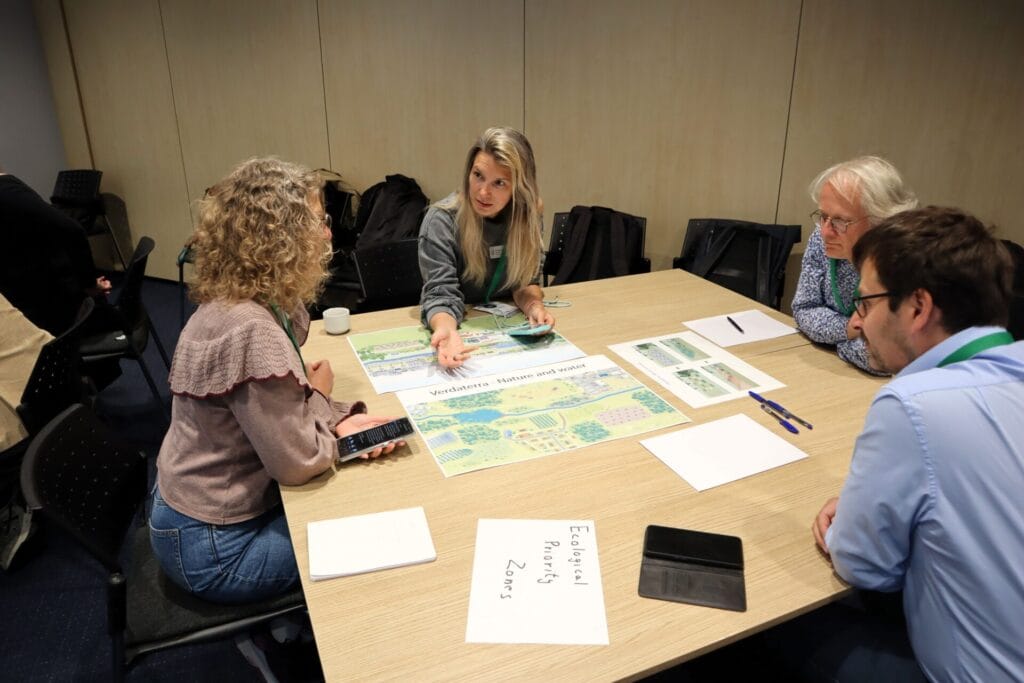
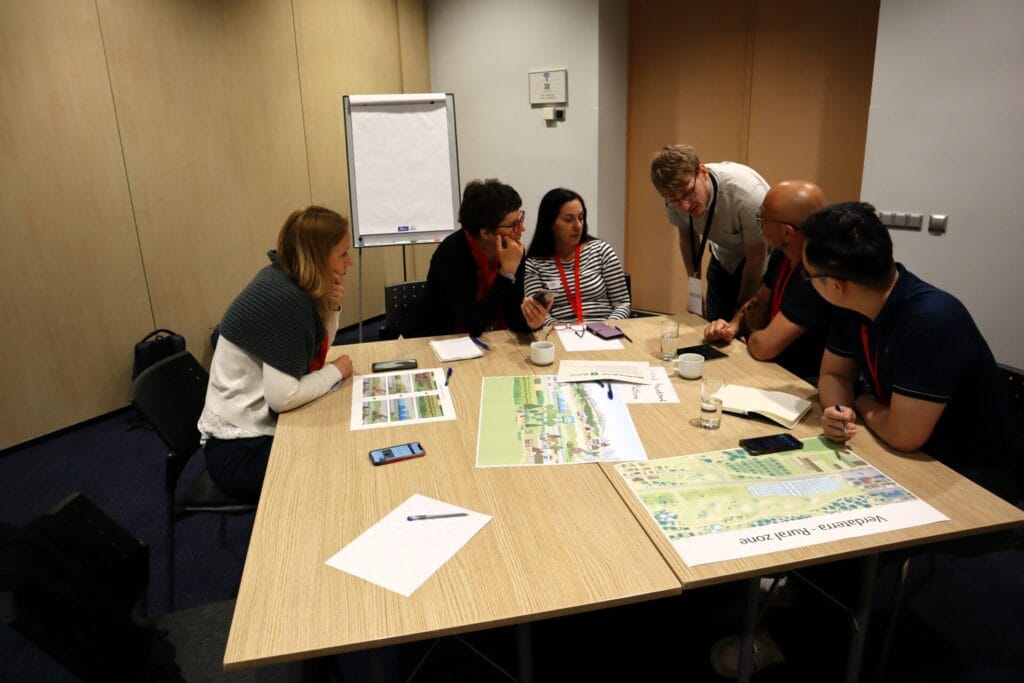
After this introduction, Marina Knickel from KLI and Julia led the PLUS Change conference. Now at the halfway mark, the session provided a valuable opportunity to explore developments across the various parts of the project, raise awareness of interconnections between tasks, and reflect on emerging needs. The discussions aimed to inform and guide planning for the next phase of the project. Through workshops and interactive formats like “maps of interconnections” and “speed dating” discussions, participants reflected on the project’s current status and identified key needs and opportunities to strengthen collaboration across tasks. The session underscored the importance of translating and communicating project results – particularly at the level of practice cases and their engagement with local stakeholders.
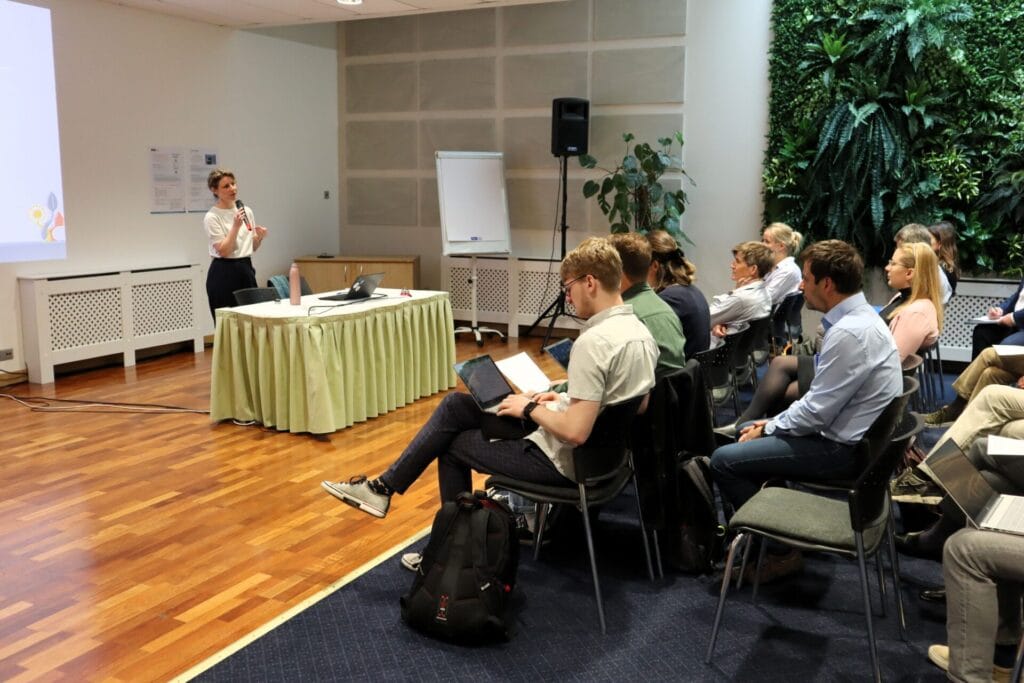
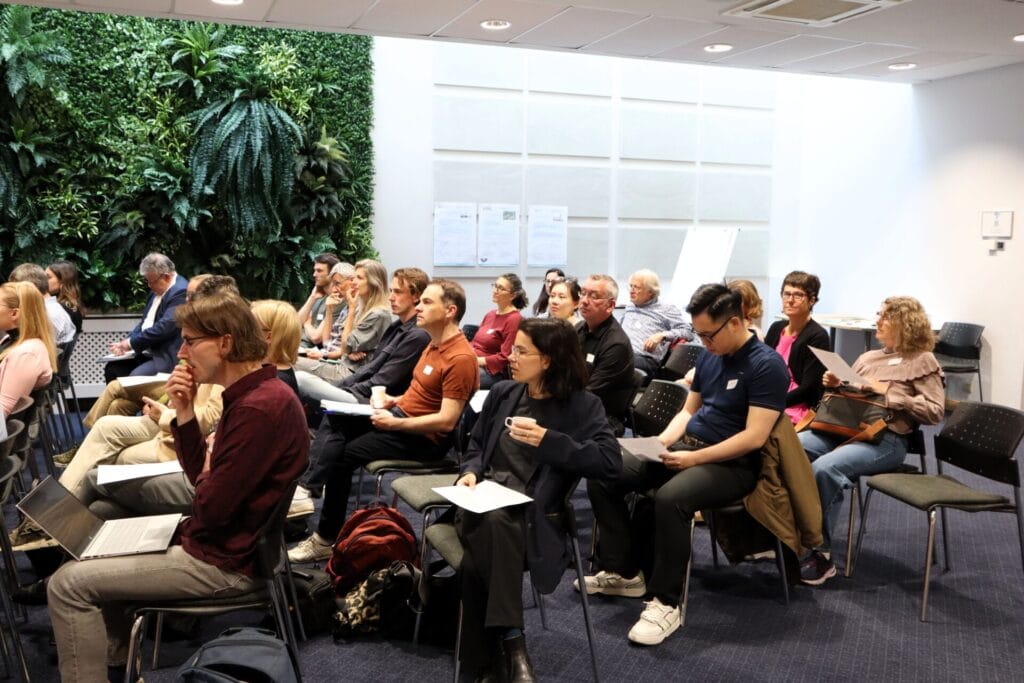
In the afternoon, Piotr Magnuszewski and Michal Plšek of CRS led a policy simulation workshop, where participants took part in role-based exercises to examine the impacts of various land use policy scenarios and gain deeper insight into decision-making for complex challenges.
The day ended with an important discussion led by Julia on current challenges and trouble-shooting. In the discussion participants were invited to raise issues, clarify uncertainties, and share practical solutions.
Day 3 – Planning ahead
The third day started with the presentation by Michal Kepka from P4All on the Planning Toolkit developments. He demonstrated the platform and its key components—including the map portal, tools for creating and publishing maps, and visuals—and explained how it can be practically applied by land use decision makers and policymakers to support informed land use planning and management.
Following this, Jan Urban and Ewa Duda from CzechGlobe introduced a session on evidence-based interventions for multi-level change. With contributions from from CzechGlobe, Leuphana (LEU) and BSC, the session featured updates from task 4.4 on meta-analytical approaches to exploring behaviour change within land use systems at individual levels (led by CZECHGLOBE), land use innovations with land managers (led by BSC) and governance and decision-making interventions (led by LEU).
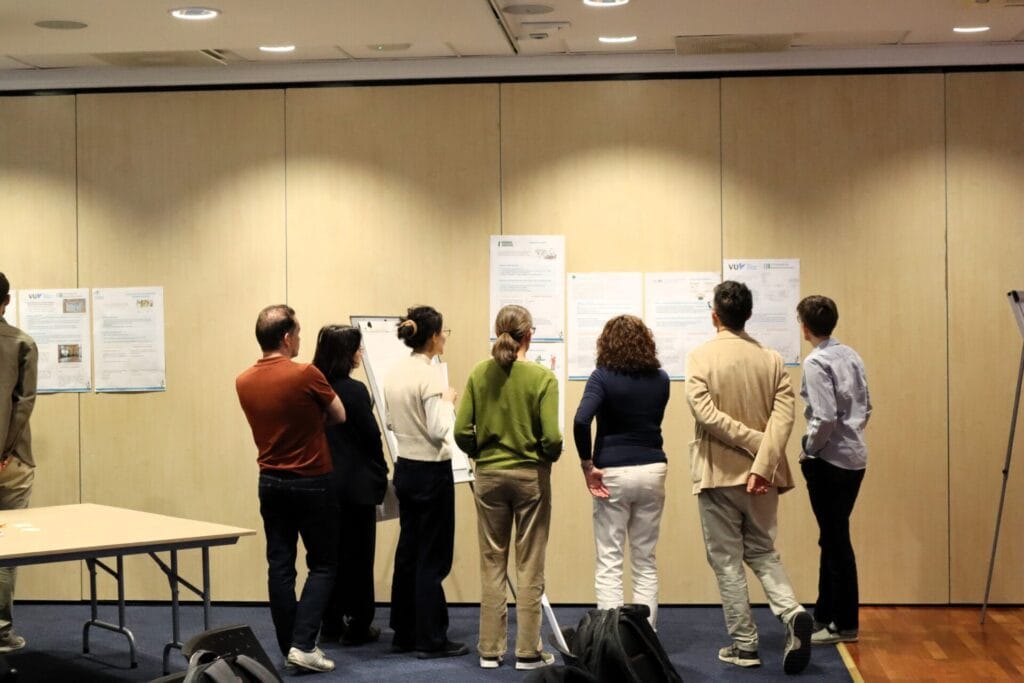
The last session of the Assembly was led by Taliah Dommerholt from iUE (formerly ISOCARP) and focused on CDE updated and plans. After an overview of the definitions and importance of dissemination (make research results available to target users) and exploitation (to ensure these results are used in further research and innovation activities), the session structured around a collaborative activity. Here, researchers identified key results and potential pathways to ensure continued use, and practice cases described which projects results have been most impactful for them, including gains, barriers, future application of project results, and opportunities to communicate their outcomes.
The three days of the General Assembly proved to be highly productive! We built strong synergies, clarified project outputs, and reinforced collaborative efforts among partners. As we enter the second half of the project, our focus remains on generating meaningful impact and ensuring that our results are accessible and valuable to stakeholders in both research and practice, within and beyond the PLUS Change community.